-

Tourism
Luxury Travel in Tuscany and Italy: How to Create Truly Exclusive Experiences
-

Tourism
Building a Successful Vacation Rental Business Through Strategic Partnerships
-

Tourism
Accessible Tourism for Deaf Travelers: Inclusive Travel Solutions
-

Tourism
Vacation Villas in Italy: How to Choose the Perfect Stay
-
Companies and Services
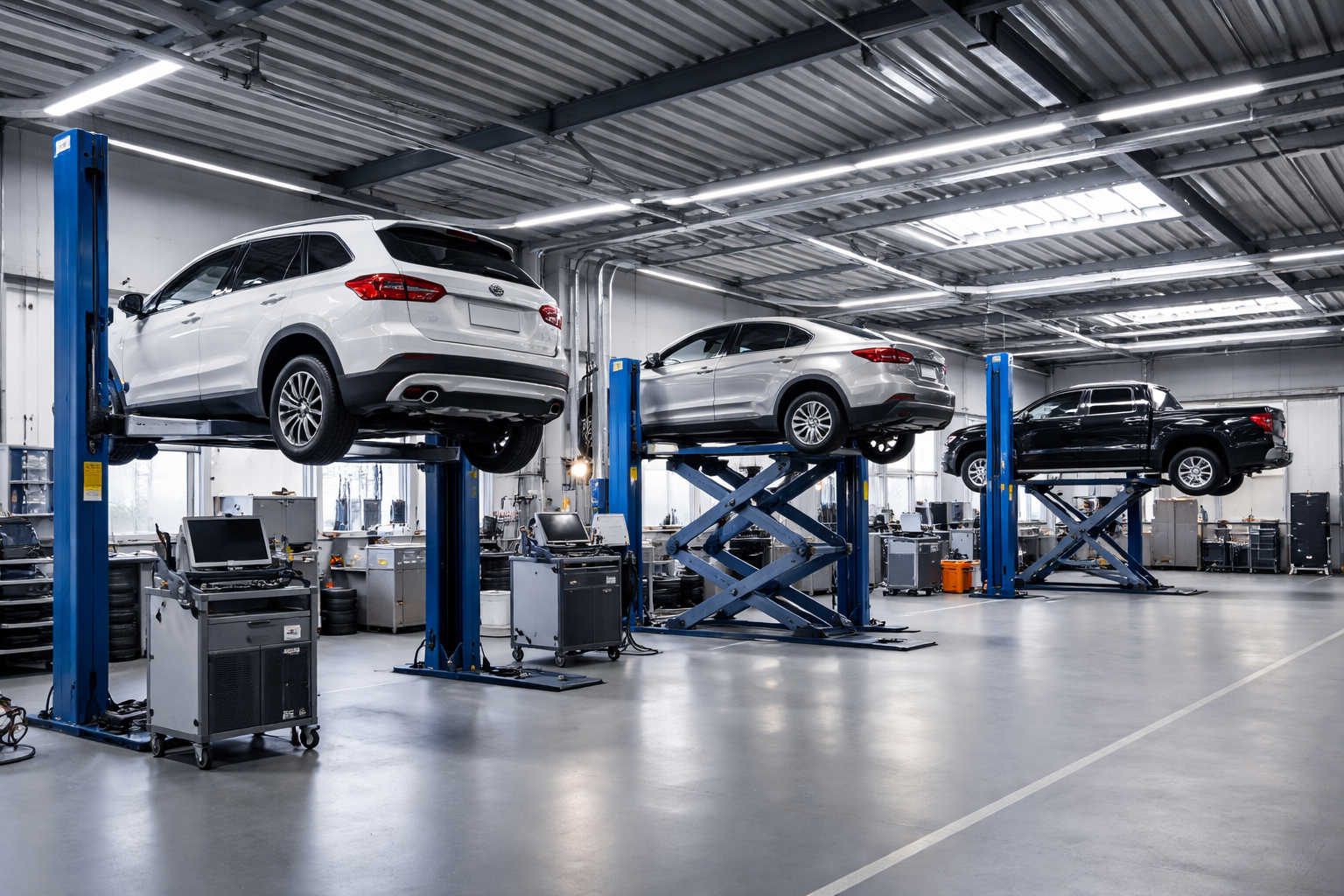
Hydraulic and Electro-Mechanic Lifters in Modern Workshops
Companies and Services
Hydraulic and Electro-Mechanic Lifters in Modern Workshops
In modern automotive workshops, vehicle lifting systems play a crucial role in ensuring efficiency, safety, and precision during maintenance and repair operations. As vehicles become heavier, more complex, and increasingly diversified, the demand for reliable lifting solutions has grown accordingly. Among the most widely adopted technologies, hydraulic and electro-mechanic lifters have established themselves as essential equipment across professional garages, inspection centers, and service facilities worldwide. Their evolution reflects broader trends in workshop automation, occupational safety standards, and operational productivity.
The primary function of a vehicle lifter is to raise a car or light commercial vehicle to a comfortable working height, allowing technicians to access the underbody, drivetrain, suspension, and braking systems. While the core purpose may appear straightforward, the engineering behind modern lifting systems is highly sophisticated, balancing load capacity, stability, control accuracy, and long-term durability. Understanding how these systems operate and where they are best applied is fundamental for workshop planning and equipment selection.
Core Technologies Behind Vehicle Lifting Systems
Hydraulic lifters operate through pressurized fluid systems that generate vertical force via pistons and cylinders. This technology enables smooth, progressive lifting even under heavy loads, making hydraulic solutions particularly suitable for frequent use and high-capacity applications. The controlled movement provided by hydraulic circuits is especially valuable during precision tasks such as wheel alignment or underbody inspections, where stability is critical.
Electro-mechanic lifters rely on electric motors combined with mechanical transmission elements, typically screws and synchronized columns. Electrical energy is converted into mechanical motion, allowing the vehicle to be raised evenly and securely. This approach is often appreciated for its structural simplicity and predictable mechanical behavior, as well as for eliminating the need for hydraulic fluids in certain workshop environments.
Advantages and Operational Characteristics
Both lifting technologies are designed to comply with stringent international safety standards and incorporate multiple protective features. These include mechanical locking systems, overload protection, synchronization controls, and emergency lowering mechanisms, all aimed at minimizing operational risk for both vehicles and technicians.
From an operational perspective, modern lifting systems offer several shared advantages:
-
Improved ergonomics, reducing physical strain during repair operations
-
High safety levels, ensured by redundant mechanical and electronic safeguards
-
Operational efficiency, enabling faster access to vehicle components
-
Adaptability, supporting a wide range of vehicle types and workshop layouts
The choice between hydraulic and electro-mechanic solutions is often influenced by factors such as vehicle mix, available space, service frequency, and long-term maintenance strategies. In many professional facilities, both systems coexist, each serving specific operational requirements within the same workshop.
Applications Across Automotive Service Environments
Vehicle lifters are integral to nearly all automotive service activities, from routine maintenance to advanced diagnostics. Tasks such as brake servicing, suspension work, exhaust repairs, and tire replacement depend on stable and reliable lifting solutions. In inspection and testing centers, lifting systems support regulatory compliance by providing consistent vehicle positioning for structural checks and emissions-related procedures.
As the automotive sector continues to evolve, lifting systems must adapt to new vehicle architectures. Electric and hybrid vehicles introduce different weight distributions and structural constraints, increasing the importance of precise load management and secure lifting points. In this context, hydraulic and electro-mechanic lifters represent a well-established technological category within professional workshop equipment, offering configurations suitable for diverse service scenarios and vehicle types.
Safety Standards and Long-Term Reliability
Safety considerations remain central to the design and use of vehicle lifting systems. International regulations govern structural strength, load testing procedures, synchronization accuracy, and emergency response features. Modern lifters are engineered to maintain stability even under demanding conditions, reducing the likelihood of mechanical failure or operator error.
Long-term reliability depends on proper installation, correct usage, and routine maintenance. Hydraulic systems require periodic inspection of seals, hoses, and fluid integrity, while electro-mechanic systems benefit from regular checks of motors, screws, and load-bearing components. When maintained according to technical guidelines, both technologies provide consistent performance and extended service life.
The Role of Lifters in Efficient Workshop Design
Beyond their mechanical function, lifting systems influence overall workshop organization and productivity. Their footprint, installation method, and compatibility with diagnostic equipment affect vehicle flow and workstation layout. Thoughtful integration of lifting technology supports efficient space utilization and contributes to smoother service operations.
As workshops increasingly adopt digital diagnostics and automated processes, lifting systems continue to evolve as part of a broader technological ecosystem. Selecting adaptable and reliable solutions allows service facilities to meet current demands while remaining prepared for future developments in vehicle design and maintenance practices.
A Broader Perspective on Workshop Infrastructure
Vehicle lifting systems remain a foundational element of professional automotive service environments. Continuous innovation in materials, safety mechanisms, and control technologies ensures that hydraulic and electro-mechanic lifters will continue to support efficient, safe, and precise workshop operations worldwide.
Se in futuro vuoi che ti consegni direttamente i testi già “clean” per CMS (senza markdown, senza grassetti o con formattazione specifica), dimmelo e mi adeguo.