-
Tourism
Luxury Travel in Tuscany and Italy: How to Create Truly Exclusive Experiences
-

Tourism
Building a Successful Vacation Rental Business Through Strategic Partnerships
-

Tourism
Accessible Tourism for Deaf Travelers: Inclusive Travel Solutions
-
Tourism
Vacation Villas in Italy: How to Choose the Perfect Stay
-

Companies and Services
Hydraulic and Electro-Mechanic Lifters in Modern Workshops
Tourism
Luxury Travel in Tuscany and Italy: How to Create Truly Exclusive Experiences
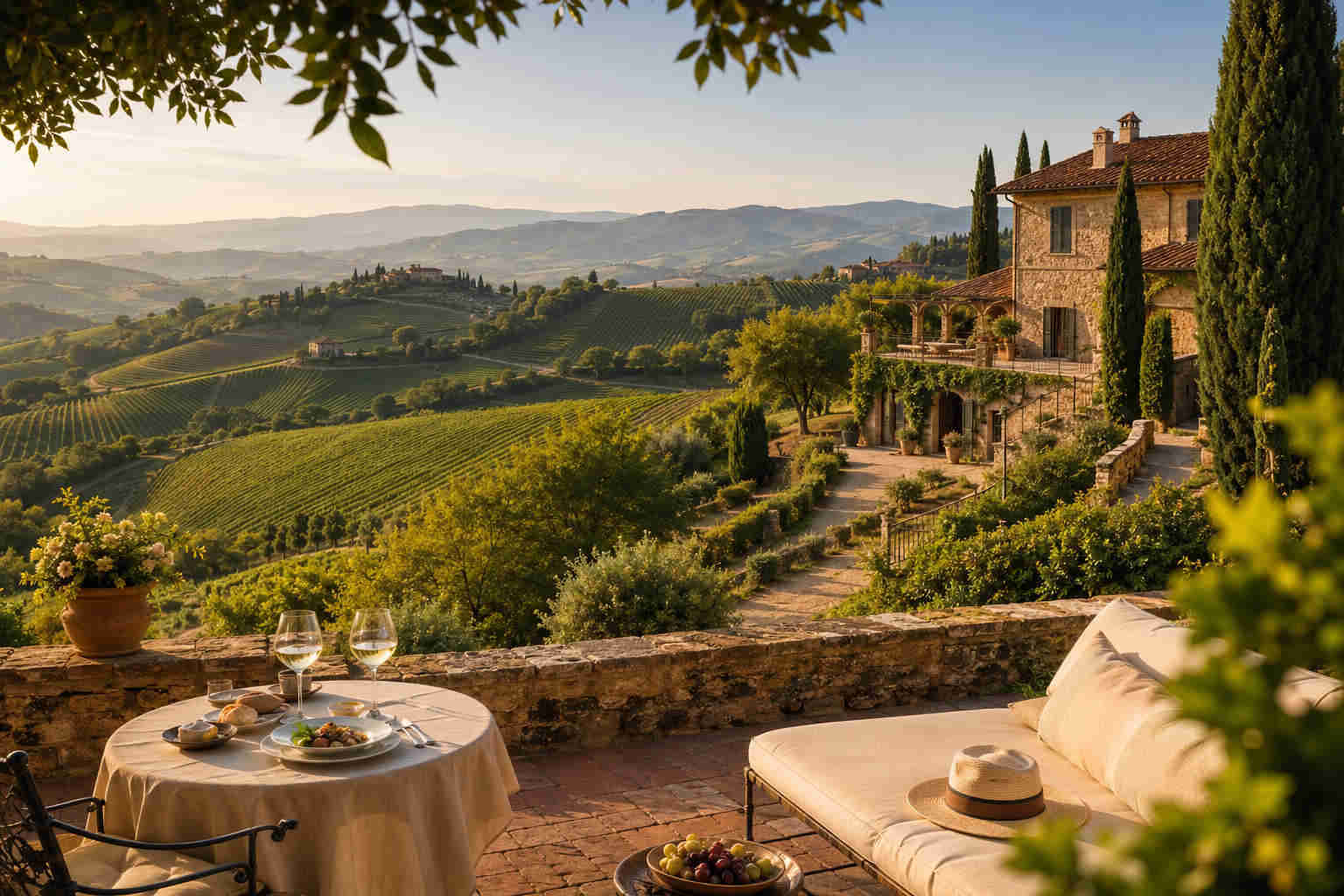
Luxury travel is no longer defined only by five-star hotels or first-class transportation. The modern concept of premium travel is built around exclusivity, personalization and privileged access to places, traditions and experiences that cannot easily be replicated. Tuscany perfectly represents this evolution, combining world-famous cultural heritage with authentic landscapes, outstanding gastronomy and refined hospitality.
According to the official Italia.it tourism portal, Tuscany is internationally recognized for its Renaissance cities, UNESCO World Heritage Sites, rolling countryside and exceptional food and wine traditions, making it one of Italy's most distinctive destinations.
What makes a luxury travel experience genuinely exceptional?
Many travelers mistakenly associate luxury with extravagance. In reality, high-end travel is increasingly measured by quality of access, privacy and personalization rather than visible opulence.
A thoughtfully designed itinerary allows visitors to experience destinations at a different pace, avoiding overcrowded attractions while discovering places that reveal the authentic character of a region.
Examples include:
- private visits to historic villas and castles;
- exclusive wine tastings hosted by estate owners;
- personalized culinary experiences with local chefs;
- guided tours led by art historians or archaeologists;
- helicopter transfers or scenic drives through iconic landscapes;
- wellness experiences in historic countryside estates.
These moments create lasting memories because they connect travelers with local culture rather than simply showcasing famous landmarks.
Why Tuscany remains one of Europe's leading luxury destinations
Tuscany offers an unusually diverse combination of experiences within relatively short travel distances.
In a single journey it is possible to explore Renaissance masterpieces in Florence, medieval towns such as Siena and San Gimignano, the vineyards of Chianti, the UNESCO landscape of Val d'Orcia and the Tuscan coastline.
This geographical variety allows itineraries to remain dynamic without requiring constant travel between destinations.
Another advantage is the remarkable concentration of boutique accommodations, restored historic residences and elegant countryside estates that combine contemporary comfort with centuries of architectural heritage.
Rather than following rigid schedules, travelers can enjoy experiences adapted to personal interests, whether focused on art, gastronomy, wellness or outdoor activities.
The value of personalized itinerary design
One aspect often overlooked is that luxury travel planning requires far more than selecting prestigious hotels.
A carefully curated itinerary considers numerous variables, including seasonal events, local traditions, transportation logistics, reservation timing and the desired rhythm of each day.
For example, visiting Florence early in the morning before museum crowds arrive creates an entirely different experience compared with standard tourist schedules.
Likewise, enjoying a private vineyard dinner during the grape harvest offers a level of authenticity unavailable through conventional tours.
Travel specialists capable of designing luxury travel experiences in Tuscany & Italy often focus on these details, balancing comfort, cultural immersion and logistical efficiency rather than simply increasing the overall travel budget.
Experiences that elevate an Italian journey
Italy's appeal extends well beyond its famous monuments.
Many of the country's most memorable luxury experiences involve direct interaction with local artisans, producers and communities.
These opportunities may include private workshops with Florentine craftsmen, truffle hunting accompanied by expert guides, cooking classes inside historic farmhouses, vintage car tours through rural landscapes or sailing excursions along less crowded coastal areas.
Such experiences transform a holiday into an immersive cultural journey.
An important distinction is that authentic luxury frequently emphasizes time, allowing visitors to explore fewer places more deeply instead of rushing through lengthy sightseeing lists.
Common mistakes when planning premium travel
Even experienced travelers sometimes overlook practical considerations that can significantly affect the quality of a luxury vacation.
Among the most frequent mistakes are:
- concentrating too many destinations into a short itinerary;
- underestimating travel times through rural regions;
- booking exclusive experiences too late;
- overlooking seasonal differences in vineyards, countryside and coastal areas;
- focusing exclusively on famous cities while ignoring nearby villages.
In practice, reducing the number of daily activities often increases the overall value of the journey by leaving room for spontaneous discoveries and genuine relaxation.
A slower itinerary usually delivers richer experiences than an overloaded schedule.
Seasonality matters more than many travelers expect
Luxury travel is highly influenced by the time of year.
Spring offers mild temperatures, blooming landscapes and fewer crowds.
Early autumn combines pleasant weather with grape harvest celebrations and wine events across Tuscany.
Winter provides a quieter atmosphere, making museum visits, historic cities and gourmet experiences particularly enjoyable.
Summer remains popular, especially for visitors wishing to combine countryside stays with coastal destinations, although advance planning becomes essential due to higher demand.
Understanding these seasonal differences allows travelers to match destinations with personal expectations rather than following generic recommendations.
Authenticity is becoming the new definition of luxury
Modern luxury increasingly values authenticity over display.
Travelers often seek meaningful encounters with local culture instead of standardized premium services.
This trend explains the growing popularity of private agricultural estates, family-owned wineries, artisan workshops and carefully preserved historic residences.
The objective is not simply to visit Italy but to experience its traditions from an insider's perspective.
Authenticity also contributes to sustainability by encouraging longer stays, supporting local businesses and reducing the pressure on the most crowded attractions.
Choosing experiences that reflect personal interests
No single itinerary fits every traveler.
Some visitors prioritize Renaissance art, others focus on wine regions, culinary traditions, photography, wellness or outdoor adventures.
The most successful luxury journeys begin by identifying these priorities before selecting destinations.
For example, travelers passionate about architecture may dedicate additional time to Florence, Pienza and Siena, while food enthusiasts might prefer extended stays among the vineyards of Chianti, Montalcino and Montepulciano.
Families often benefit from slower itineraries with spacious countryside accommodations, whereas couples may appreciate intimate boutique hotels overlooking vineyards or medieval villages.
Ultimately, luxury travel succeeds when every element feels intentional rather than simply expensive.
A destination where exclusivity meets authenticity
Tuscany continues to represent one of Europe's most compelling destinations because it offers far more than postcard scenery. Its combination of artistic heritage, exceptional gastronomy, remarkable landscapes and refined hospitality creates opportunities for highly personalized journeys that remain memorable long after returning home.
The finest luxury experiences are rarely defined by extravagance alone. Instead, they emerge from thoughtful planning, privileged access and genuine cultural immersion, allowing travelers to discover Italy through experiences that feel both exclusive and deeply authentic.